Supervision for your clinical staff, from outside your organization
Weekly remote group supervision for clinicians in jails, prisons, forensic units and psychiatric hospitals. Your staff join small groups with clinicians from other organizations doing the same work.
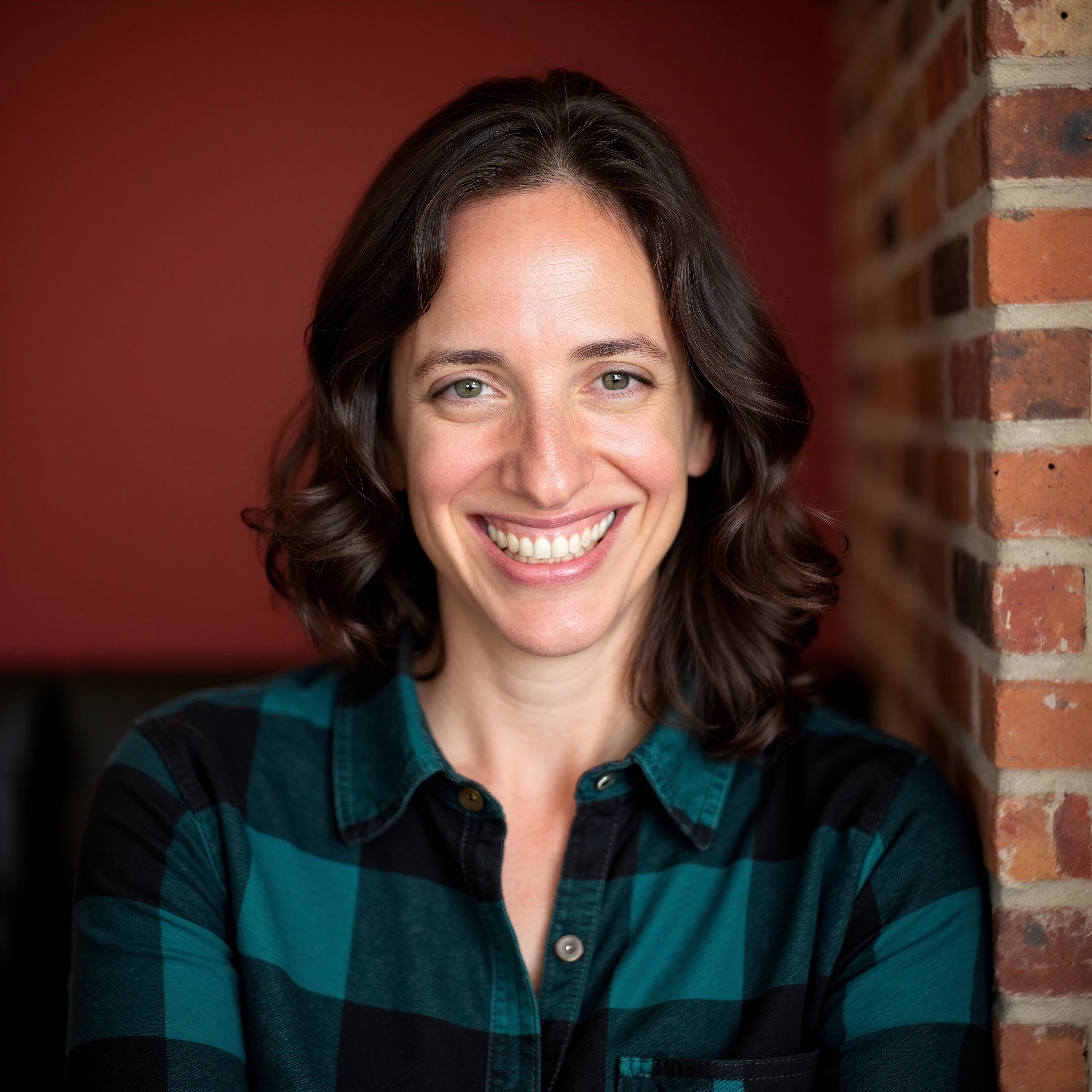
Laura Raffa
MS, BC-DMT, LCAT, CGP
I spent 20 years in this work, most recently directing a mental health service of more than 70 staff on Rikers Island, after years on Bellevue's forensic psychiatric ward.
Full background ↓Experience
- 2022–2026
Director, Mental Health Treatment Aide Service and Trainings, NYC Health + Hospitals / Correctional Health Services (Rikers Island). Led 70+ staff across multiple jail facilities.
- 2019–2021
Associate Director of Training and Staff Development, NYC Correctional Health Services. Built training on crisis intervention, mental observation units and clinical use of force.
- 2018–2019
Behavioral Management Consultant, NYC Correctional Health Services. Team sessions joining mental health, medical and custody staff on high-risk patients.
- 2014–2017
Clinical Care Coordinator, NYC Department of Health and Mental Hygiene. Care for patients cycling between Bellevue and Rikers.
- 2011–2014
Creative arts therapist, forensic psychiatric ward, Bellevue Hospital. Co-created the ward's violence precaution program for staff.
Credentials
MS, BC-DMT, LCAT, CGP · Certified Group Psychotherapist (AGPA) · Certified CIT trainer
Publication
Bursac, Raffa et al., “Boundary-spanning care: Reducing psychiatric rehospitalization and self-injury in a jail population,” Journal of Correctional Health Care, 2018.
Why it matters
Two of the biggest costs in this work are turnover and teams that pull in different directions. This is group supervision, not team supervision. Each group brings together clinicians from different organizations who do the same kind of work. Week by week, they see more clearly what they bring to the work, and that changes how they relate to their patients, their colleagues and themselves. A team changes when the people in it take part differently. Clinicians who understand their own part in the work are more likely to stay in the job.
- Correctional mental health professionals scored higher than community clinicians on all three measures of burnout. Mivshek & Schriver, Psychology, Crime & Law, 2024
- Among 823 counselors, clinical supervision was linked to lower emotional exhaustion and lower intention to quit. Knudsen, Ducharme & Roman, Journal of Substance Abuse Treatment, 2008
- Across 27 studies, supportive supervision was linked to better retention and lower burnout. Mor Barak et al., Social Service Review, 2009
Why an outside supervisor
Because I'm outside your organization, and so are the other clinicians in the group, staff can speak openly about how hard the job is, which can be difficult to do with a direct supervisor or with coworkers. The group runs on a fixed schedule away from the unit, so it isn't what gets dropped when the day goes sideways, and it takes no time from supervisors who are already stretched thin.
How it works
Mixed groups.
Each clinician joins a group of 6–8 with clinicians from other organizations and settings. Groups are never made up of one employer’s staff.
Remote by design.
Staff at small or rural sites get the same support as those at your largest facilities.
- Weekly, one hour, at a fixed time
- Secure video
- Cases discussed without patient identifiers
- You can swap the clinician in a seat at any time, for turnover or reassignment
- Clinical consultation and professional support. It doesn't replace supervision your clinicians' licenses or your contracts require.
Fees and terms
- Fee
- $100 per clinician per session
- Minimum
- 3 seats
- Pilot
- 8 weeks, 3 seats: $2,400
- After the pilot
- A 6-month term, then month to month with 30 days’ notice
- Billing
- One monthly invoice to your organization, net 30
- If you lose a facility contract
- Move those seats to other staff, or drop them with 30 days’ notice
A month of 3 seats is $1,200 (4 sessions). W-9 and certificate of insurance available on request.
Laura Raffa, MS, BC-DMT, LCAT, CGP · Open Circle Group Therapy